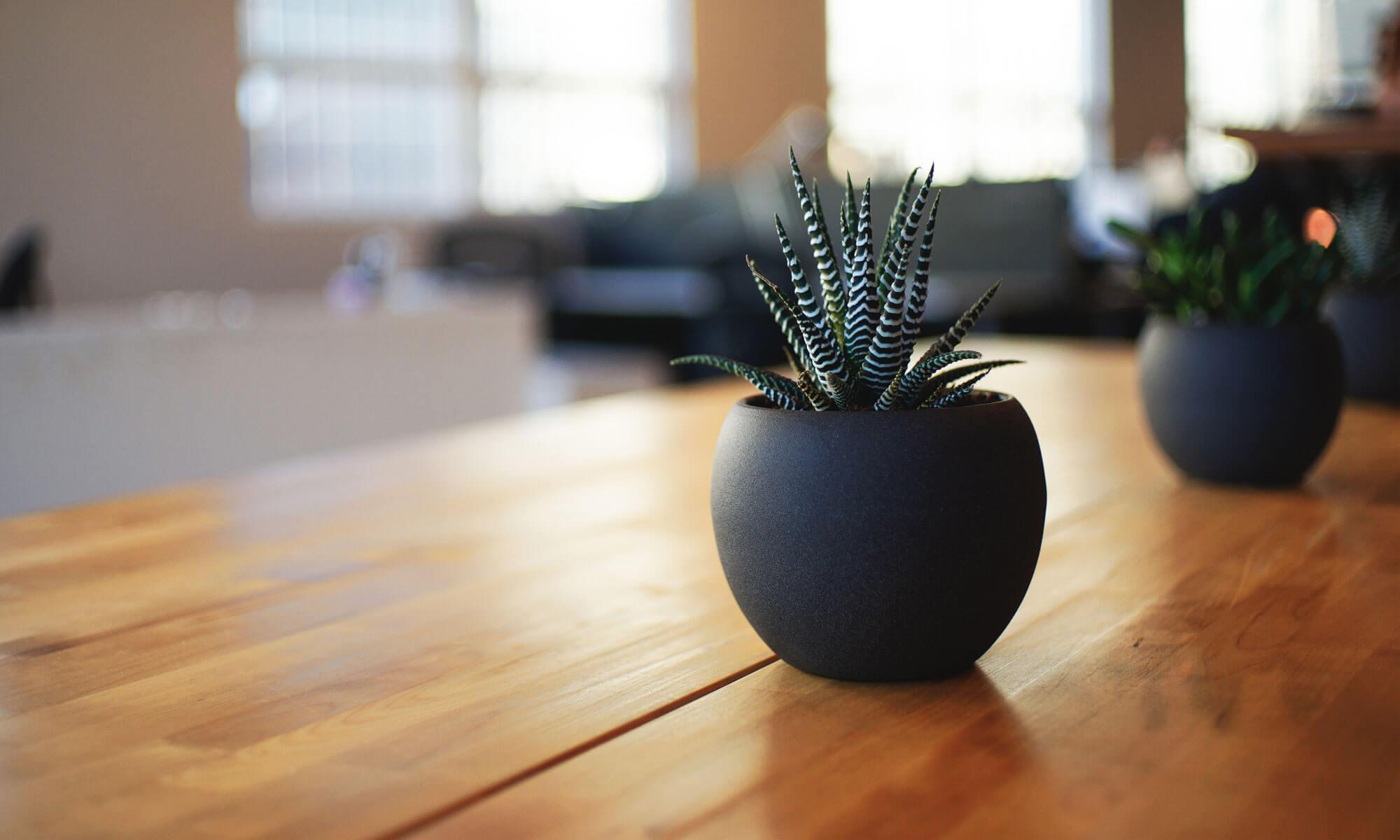
- Inspiration for modern living awaits with https://bonrushs.co.uk and beautifully curated home designs
- The Evolution of Modern Home Design
- The Role of Color and Texture
- Maximizing Space in Small Homes
- Creative Storage Solutions
- The Importance of Lighting Design
- Smart Lighting Technologies
- Sustainable Interior Design Practices
- The Future of Home Design: Blurring Boundaries
Inspiration for modern living awaits with https://bonrushs.co.uk and beautifully curated home designs
Creating a beautiful and functional living space is a desire shared by many, and finding the inspiration and resources to bring that vision to life can often feel overwhelming. Fortunately, platforms like https://bonrushs.co.uk offer a curated collection of home designs and décor ideas, simplifying the process and providing a wealth of options for every taste and budget. Whether you’re embarking on a complete home renovation, refreshing a single room, or simply seeking new ideas, this resource is dedicated to showcasing contemporary aesthetics and providing practical guidance to help you achieve the home of your dreams.
The modern approach to interior design emphasizes simplicity, comfort, and personal expression. It’s about creating spaces that are not only visually appealing but also reflect your individual lifestyle and values. This involves carefully considering everything from the overall layout and color palette to the smallest decorative accents. The key is to strike a balance between functionality and style, ensuring that your home is both a beautiful sanctuary and a practical living space. With a little planning and the right inspiration, transforming your house into a home can be an incredibly rewarding experience, and resources like this provide a wonderful jumping-off point for that journey.
The Evolution of Modern Home Design
Modern home design is a constantly evolving field, influenced by a myriad of factors including architectural trends, technological advancements, and shifting cultural preferences. Historically, the term “modern” referred to a specific style that emerged in the early to mid-20th century, characterized by clean lines, minimalist forms, and a rejection of ornate decoration. However, the definition has broadened considerably over time, encompassing a wide range of aesthetics that share a common emphasis on simplicity, functionality, and a connection to the natural world. Today, we see influences from Scandinavian design, Japanese minimalism, and mid-century modernism all contributing to the contemporary landscape.
One of the key drivers of this evolution is the increasing focus on sustainability and eco-conscious living. Homeowners are now more aware than ever of the environmental impact of their choices, and they’re actively seeking materials and designs that minimize their footprint. This has led to a surge in popularity of natural materials like wood, bamboo, and stone, as well as energy-efficient appliances and smart home technologies. Furthermore, there's a growing trend towards open-plan living, which maximizes natural light and creates a more spacious and airy feel, reducing the need for artificial lighting and heating.
The Role of Color and Texture
Color and texture play a crucial role in shaping the mood and atmosphere of a modern home. Neutral palettes, such as grays, whites, and beiges, remain popular choices due to their versatility and ability to create a sense of calm and sophistication. However, pops of color are often incorporated through artwork, accessories, or accent walls to add visual interest and personality. Texture is equally important, adding depth and dimension to a space. This can be achieved through the use of natural materials like wood and stone, as well as textiles like wool, linen, and cotton. Layering different textures can create a cozy and inviting atmosphere, even in a minimalist setting.
| Design Style | Key Characteristics |
|---|---|
| Scandinavian | Minimalist, functional, light wood tones, cozy textiles |
| Mid-Century Modern | Clean lines, organic shapes, bold colors, emphasis on functionality |
| Contemporary | Ever-evolving, often incorporates elements from other styles, sleek and modern aesthetic |
| Industrial | Raw materials, exposed brick, metal accents, minimalist décor |
Understanding the nuances of these different styles can help you narrow down your preferences and create a cohesive look throughout your home. Remember that there are no hard and fast rules when it comes to interior design; the most important thing is to create a space that reflects your individual personality and lifestyle. Exploring varied design blogs and platforms like https://bonrushs.co.uk can provide curated examples of the diversity and inspire your own creative process.
Maximizing Space in Small Homes
One of the biggest challenges facing homeowners today is maximizing space in smaller living areas. With the rising cost of housing, many people are opting for more compact homes, and it’s essential to make the most of every square foot. Clever storage solutions are key, such as built-in shelving, multi-functional furniture, and vertical storage options. Decluttering is also essential; getting rid of unnecessary items can instantly make a space feel larger and more open. Choosing light colors and maximizing natural light can also contribute to a more spacious feel.
Another important consideration is the layout of the space. Open-plan living can be particularly effective in small homes, as it creates a sense of flow and connection between different areas. However, it’s important to define different zones within the open space using rugs, furniture arrangement, or changes in flooring. Prioritizing functionality and choosing furniture that serves multiple purposes is also crucial. For example, a sofa bed can provide extra sleeping space for guests, while an ottoman with storage can help keep clutter at bay.
Creative Storage Solutions
Beyond the typical shelving and closet options, think vertically and utilize often-overlooked spaces. Floating shelves can add storage without taking up floor space, while wall-mounted organizers can keep items off countertops and tables. Under-bed storage containers are ideal for storing seasonal clothing or extra bedding, and over-the-door organizers can maximize space in bathrooms or bedrooms. In the kitchen, consider adding pull-out drawers or using magnetic strips to store knives and other utensils. Remember, the key is to be resourceful and think outside the box when it comes to storage.
- Utilize vertical space with tall bookshelves or wall-mounted storage.
- Choose multi-functional furniture, such as sofa beds or storage ottomans.
- Declutter regularly to eliminate unnecessary items.
- Maximize natural light to create a more spacious feel.
- Employ mirrors to visually expand the space.
Successfully utilizing these techniques can transform a compact living space into a comfortable and stylish home. Resources such as those found on https://bonrushs.co.uk can demonstrate the practical application of these ideas in diverse settings.
The Importance of Lighting Design
Lighting is often overlooked, but it’s one of the most important elements of interior design. It can dramatically impact the mood and atmosphere of a room, as well as its functionality. A well-lit space feels more inviting, spacious, and comfortable. There are three main types of lighting to consider: ambient, task, and accent. Ambient lighting provides overall illumination, task lighting is used for specific activities like reading or cooking, and accent lighting highlights architectural features or artwork. Layering these different types of lighting can create a dynamic and visually interesting effect.
When choosing light fixtures, consider the style of your home and the specific needs of each room. Recessed lighting is a great option for providing ambient light without taking up space, while pendant lights can add a touch of drama to a dining room or kitchen. Table lamps and floor lamps are ideal for task lighting, and they can also add a cozy and inviting feel to a living room or bedroom. Don’t forget the importance of natural light; maximizing access to sunlight can significantly brighten up a space and improve your mood.
Smart Lighting Technologies
Smart lighting technologies are becoming increasingly popular, offering a range of benefits including energy efficiency, convenience, and customization. Smart bulbs can be controlled remotely using a smartphone or voice assistant, allowing you to adjust the brightness and color temperature of your lights from anywhere. You can also create schedules to automatically turn lights on and off, saving energy and enhancing security. Smart lighting systems can also be integrated with other smart home devices, such as thermostats and security cameras, to create a truly connected home.
- Assess the natural light available in each room.
- Layer different types of lighting to create a dynamic effect.
- Choose light fixtures that complement your home’s style.
- Consider smart lighting technologies for energy efficiency and convenience.
- Don’t underestimate the power of dimmers to create different moods.
Investing in a well-designed lighting scheme will greatly enhance the comfort, style, and functionality of your home. Platforms like https://bonrushs.co.uk frequently showcase innovative lighting ideas and design schemes.
Sustainable Interior Design Practices
As environmental awareness grows, so does the demand for sustainable interior design practices. This involves making conscious choices about the materials, products, and processes used in creating a home that minimizes its impact on the planet. Choosing eco-friendly materials, such as bamboo, reclaimed wood, and recycled glass, is a key step. Supporting local artisans and manufacturers can also reduce transportation costs and promote sustainable economies. Prioritizing energy efficiency through the use of energy-efficient appliances, insulation, and lighting is another important consideration.
Beyond the materials themselves, consider the longevity and durability of your furnishings. Investing in high-quality pieces that will last for years to come is more sustainable than constantly replacing cheaper, less durable items. Also, think about the end-of-life cycle of your products. Can they be recycled or repurposed when you’re finished with them? By adopting a more mindful approach to consumption and prioritizing sustainability, you can create a home that is both beautiful and environmentally responsible.
The Future of Home Design: Blurring Boundaries
The evolution of home design isn't slowing down; in fact, we’re likely to see even more dramatic shifts in the years to come. One significant trend is the blurring of boundaries between indoor and outdoor spaces. This is being achieved through the use of large windows, sliding glass doors, and outdoor living areas that seamlessly connect to the interior of the home. Creating a harmonious flow between the inside and outside encourages a closer connection with nature and expands the living space.
Technology will continue to play an integral role, with smart home systems becoming increasingly sophisticated and integrated. We can anticipate further advancements in automation, energy management, and personalized comfort. Furthermore, personalization will be paramount, with designs tailored to the specific needs and preferences of each individual or family. The concept of the ‘forever home’—a space that adapts and evolves with you over time—will become increasingly important, necessitating flexible designs and adaptable furnishings. Resources like https://bonrushs.co.uk will continue to be vital in tracking these trends and providing inspiration for innovative home designs.