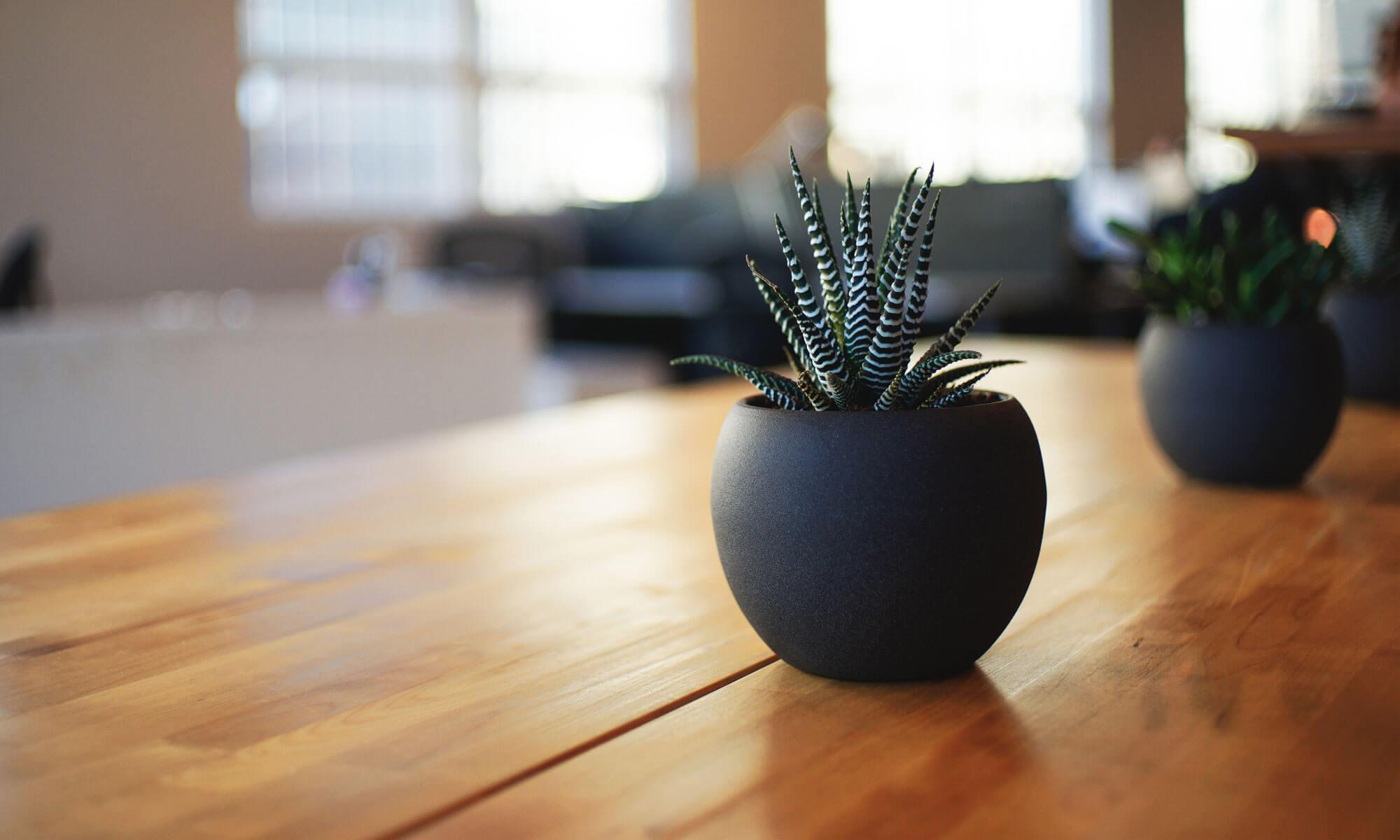
- Remarkable artistry flourishes with spinkings and detailed ceramic techniques
- The Historical Roots of Detailed Ceramic Techniques
- The Influence of Glaze Composition and Firing Methods
- Exploring the Art of Spinkings: A Detailed Examination
- The Tools and Techniques Employed in Spinking Creation
- The Integration of Spinkings with Other Ceramic Techniques
- Combining Spinkings with Hand-Building and Wheel Throwing
- The Contemporary Relevance of Detailed Ceramic Art
- Future Directions in Ceramic Art and Surface Design
Remarkable artistry flourishes with spinkings and detailed ceramic techniques
The world of artistic expression is perpetually evolving, with new techniques and approaches constantly emerging. Among these captivating developments, spinkings have garnered attention for their intricate detail and unique aesthetic. These aren't simply decorations; they represent a fusion of tradition and innovation, a testament to the dedication of artisans seeking new avenues for creativity. The process often involves meticulous handwork, resulting in pieces that possess a remarkable textural quality and visual appeal.
Ceramic artistry, in particular, has seen a resurgence in popularity, driven by a growing appreciation for handcrafted objects. This revival is fueled by a desire for authenticity and a rejection of mass-produced items. Consumers are increasingly seeking pieces that tell a story, imbued with the character and skill of the maker. The techniques employed are diverse, ranging from traditional wheel throwing and hand-building to more experimental approaches involving sculpture, mixed media, and, increasingly, the integration of spinkings as a key design element. This convergence highlights a broader trend of cross-disciplinary collaboration within the arts.
The Historical Roots of Detailed Ceramic Techniques
The history of detailed ceramic techniques stretches back millennia, with evidence of sophisticated pottery production found in numerous ancient civilizations. From the delicate porcelain of China to the vibrant terracotta of ancient Greece, ceramics have served not only practical purposes but also as a medium for artistic expression. Early ceramicists developed innovative methods for shaping, decorating, and firing clay, laying the foundation for the techniques we see employed today. The mastery of glazing, for instance, allowed for a wider range of colors and textures, enhancing the aesthetic appeal of ceramic objects. Complex ornamentation, often achieved through carving, molding, and painting, demonstrated a high level of skill and artistry. These early traditions continue to influence contemporary ceramic practice, providing a rich source of inspiration and technical knowledge.
The Influence of Glaze Composition and Firing Methods
The composition of glazes and the methods used to fire ceramics have a profound impact on the final outcome. Different glaze ingredients produce varying colors, textures, and levels of opacity. The firing temperature and atmosphere (oxidation or reduction) also play crucial roles in determining the glaze's appearance and durability. Historically, ceramicists experimented with a wide range of materials, including wood ash, metallic oxides, and plant extracts, to create unique glaze effects. The development of sophisticated kiln technology allowed for more precise control over the firing process, leading to greater consistency and predictability. Modern advancements in materials science have further expanded the possibilities for glaze formulation and ceramic production, enabling artists to achieve unprecedented levels of detail and complexity.
| Glaze Ingredient | Effect |
|---|---|
| Iron Oxide | Produces shades of brown, red, or black |
| Cobalt Oxide | Creates vibrant blue hues |
| Copper Oxide | Yields greens, blues, or reds depending on firing conditions |
| Titanium Dioxide | Can produce iridescent or opalescent effects |
Understanding these fundamental principles is essential for any ceramic artist seeking to push the boundaries of their craft. The interplay between materials, techniques, and firing processes allows for a remarkable degree of control over the aesthetic qualities of the finished product.
Exploring the Art of Spinkings: A Detailed Examination
Spinkings, as a relatively contemporary technique, involve the delicate application of intricate patterns and textures onto ceramic surfaces. This is often achieved using specialized tools, and sometimes even everyday objects, to create impressions in the clay before firing. The technique lends itself well to both functional ware, such as plates and bowls, and sculptural pieces. The resulting designs can range from geometric abstractions to representational imagery, often possessing a tactile quality that invites interaction. The aesthetic impact of spinkings lies in their ability to create a sense of depth and movement within the ceramic surface, capturing light and shadow in captivating ways. The process requires a steady hand and a keen eye for detail, transforming a simple piece of clay into a work of art. The method increasingly attracts modern ceramicists.
The Tools and Techniques Employed in Spinking Creation
The tools used in spinking are diverse, ranging from commercially available ceramic tools to repurposed household items. Pottery ribs, sculpting tools, and even textured rollers can be employed to create different effects. Some artists develop their own custom tools to achieve unique patterns and surfaces. The application technique varies depending on the desired outcome, but typically involves pressing the tool into the wet or leather-hard clay with varying degrees of pressure. The timing of the spinking process is also crucial. Applying the technique to very wet clay can result in blurred or distorted patterns, while working with clay that is too dry can lead to cracking or crumbling. Mastering the nuances of tool selection and application technique is essential for achieving consistent and satisfying results.
- Consistent clay moisture is paramount for clean impressions.
- Experimentation with different tools yields unique textures.
- Pressure control dictates the depth and definition of the spinking.
- The stage of clay dryness significantly impacts the outcome.
Experimentation lies at the heart of spinking. With a seemingly endless combination of tools and techniques, artists can continually discover new ways to express their creativity.
The Integration of Spinkings with Other Ceramic Techniques
Spinkings are rarely used in isolation; they are often combined with other ceramic techniques to enhance the overall aesthetic and complexity of a piece. For example, spinkings can be integrated with carving, slip trailing, or sgraffito to create multi-layered designs. The textural contrast between the spinked areas and the smooth, unadorned surfaces can be particularly striking. Similarly, spinkings can be used to complement painted or glazed surfaces, adding depth and visual interest. The key to successful integration lies in a careful consideration of the relationship between different techniques. The overall design should feel cohesive and harmonious, with each element contributing to the overall aesthetic effect. The inherent versatility of spinkings makes them a valuable asset for ceramic artists seeking to explore new creative possibilities.
Combining Spinkings with Hand-Building and Wheel Throwing
Hand-building techniques, such as coil building and slab construction, provide a distinct canvas for spinking. The flat surfaces of slabs, for example, are ideal for creating large-scale, intricate patterns. Coil-built forms can be textured with spinkings as they are being constructed, adding an organic and tactile quality to the piece. Wheel-thrown forms can also be embellished with spinkings, either before or after the piece is leather-hard. However, careful consideration must be given to the structural integrity of the piece, as excessive spinking can weaken the walls of the pot. Finding the right balance between decoration and functionality is crucial for creating a beautiful and durable ceramic object. The dynamic between these methods is quite fruitful for the artist.
- Prepare the clay to the appropriate consistency for spinking.
- Apply the spinking tools with gentle, even pressure.
- Allow the clay to dry slowly to prevent cracking.
- Bisque fire the piece before glazing.
- Apply glaze to highlight the spinked textures.
These steps outline a basic process, but each artist will adapt and refine their approach based on their own creative vision and preferences.
The Contemporary Relevance of Detailed Ceramic Art
In an age of mass production and digital fabrication, the appeal of handcrafted ceramic art has never been greater. Consumers are increasingly seeking objects that possess a sense of authenticity, craftsmanship, and individuality. Detailed ceramic work, particularly pieces that incorporate techniques like spinkings, embodies these qualities. These aren't simply decorative objects; they are expressions of human skill and creativity. The tactile nature of ceramics also offers a welcome contrast to the sterile surfaces of many modern manufactured products. Moreover, the process of creating ceramic art is inherently meditative and mindful, providing a therapeutic outlet for artists and collectors alike. The resurgence of interest in ceramics reflects a broader cultural shift towards valuing handmade goods and supporting local artisans.
The embrace of these techniques demonstrates a renewed appreciation for the artistry and skill involved in ceramic production, ensuring its continued relevance in the contemporary art world. The intricate detail offered by methods like spinking allows artists to create truly exceptional pieces.
Future Directions in Ceramic Art and Surface Design
The future of ceramic art is brimming with possibilities. Artists are continually pushing the boundaries of the medium, experimenting with new materials, techniques, and technologies. Digital tools, such as 3D printing and laser cutting, are being integrated into the ceramic process, allowing for unprecedented levels of precision and complexity. However, even as technology advances, the importance of traditional hand-building and decorating techniques remains paramount. The combination of old and new methods holds the greatest promise for innovation. We can anticipate seeing more artists explore the use of sustainable and locally sourced materials, reflecting a growing awareness of environmental concerns. The exploration of texture and surface design will undoubtedly continue to be a central focus. The increasing interest in collaborative projects and cross-disciplinary experimentation will also foster new and exciting creative outcomes.
The exploration of bioluminescence in ceramic glazes, for instance, presents a fascinating avenue for future research. Imagine a ceramic piece that emits a soft, ethereal glow in the dark – a truly captivating fusion of art and science. The possibilities are seemingly endless.